
Please be aware that PROTEINS delegates, speakers, and committee members may be targeted by phishing emails from third-party companies making false claims.
The conference via ASN Events will never request your financial information via a third party without prior direct arrangement.
If you are unsure about any request, please contact the Conference Team at ASN Events for verification.


-
In recognition of the Conference’s lasting connection with Lorne, the “Diversity and Inclusion” sub-committee proposed to fund the use of an artwork that would reflect our respect for the region and its community. We are aware of the Aire River massacre of Gadubanud people and dispersal of the Aboriginal people of the Otway Ranges. We extend our respect to the continuing community of the Eastern Maar people, the traditional owners of south-western Victoria.
Maree Clarke is a celebrated Mutti Mutti/Wamba Wamba/Yorta Yorta/Boonwurrung artist who has been living and working in Naarm/Melbourne for the last three decades. The artist has had a long association with the arts community in Lorne, including participating in the Lorne Sculpture Biennale: Spirit of Place in 2021 with her land-based artwork, Remember Me – an installation utilising the native trees lining the path to Lorne’s pier to reflect – both literally and figuratively – upon the number and diversity of the 38 Indigenous tribes/languages in the state of Victoria.
Maree has been instrumental in the revification of traditional cultural material including river reed necklaces, which were given as a sign of friendship and safe passage through Country. Maree’s contemporary supersized 5Om long river reed necklaces also reflect the enormity of loss of Indigenous land, language and cultural practices.
More recently, Maree’s interest in the river reed has seen her consult and collaborate with the University of Melbourne’s Histology Platform, examining the microscopic structure of river reed cells to consider the micro systems of material memory, place and space.
Please note conditions and/or copyright by-line to accompany the reproduction:
Copyright Maree Clarke, courtesy the artist and Vivien Anderson Gallery, Melbourne
The following Artwork Credit will also appear in print and digital publication:
Maree Clarke, now you see me: seeing the invisible #38 2023, coloured microscopy image.
Thank You to Our Valued 2027 Sponsors

Welcome to the 52nd Lorne Conference on Protein Structure and Function, taking place on February 7-11, 2027 in Lorne at the Mantra Hotel.
We are excited to see our friends and colleagues for an exciting program!
Make sure you are subscribed to our mailing list and follow the event on Bluesky
Interested in attending?
Click here to explore sponsorship and exhibition opportunities.
2027 Invited Speakers
-
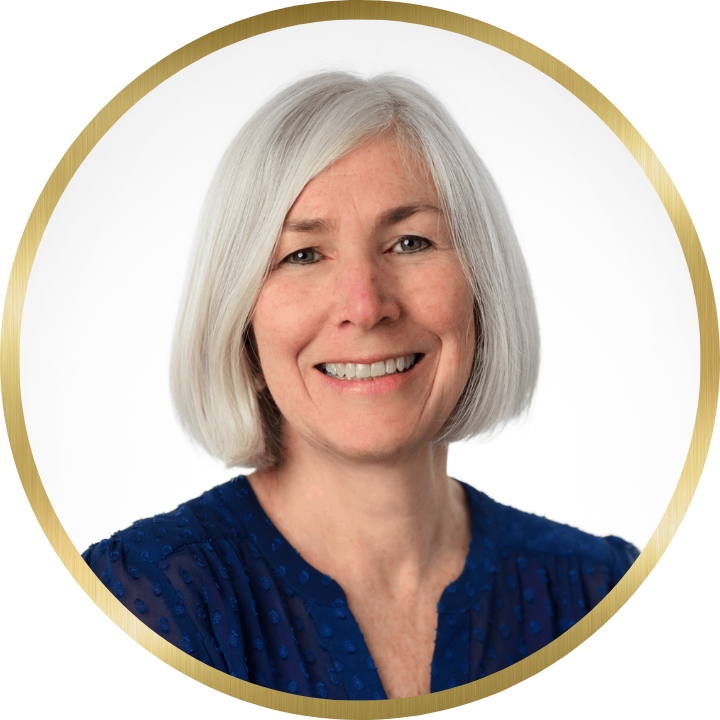
Professor Cheryl Arrowsmith
Princess Margaret Cancer Centre
Read More
Cheryl Arrowsmith is a Senior Scientist at the Princess Margaret Cancer Centre, Professor in the Department of Medical Biophysics, University of Toronto, and the Chief Scientist of the Toronto site of the Structural Genomics Consortium (SGC). She is a pioneer in the fields of structural and chemical biology and co-leads the SGC’s program to discover and distribute unencumbered Chemical Probes to study the function of proteins and their potential as therapeutic targets. She received her Ph.D. from the University of Toronto and carried out postdoctoral research at Stanford University, and was co-founder and co-CSO of Affinium Pharmaceuticals, which developed a new medicine for multidrug resistant bacteria. She has over 400 research publications, and was noted by Clarivate Analytics as being among the worlds top 1% of highly cited scientists in 2018, 2019, 2022 and 2023. She held the Tier I Canada Research Chair in Structural Genomics (2003-2017) and was elected a AAAS Fellow (2015) and Fellow of the Royal Society of Canada (2020).
-
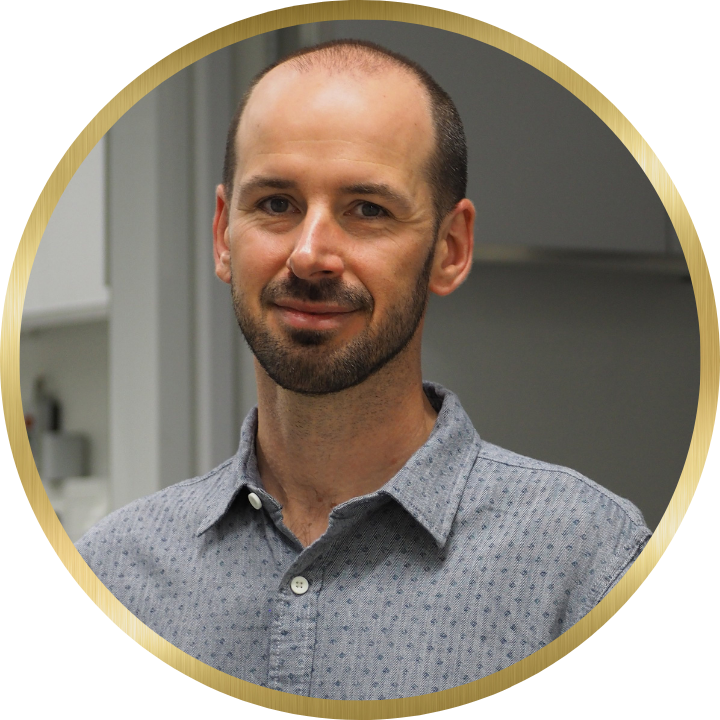
Professor Petr Chlanda
Heidelberg University
Read More
Petr Chlanda studied Biochemistry at Charles University in Prague, Czech Republic. He earned his PhD at Heidelberg University, focusing on the assembly of poxviruses using electron microscopy (EM) methods. During his postdoctoral research at EMBL Heidelberg and the NIH in Bethesda, he investigated the structural mechanisms of influenza A virus membrane fusion and assembly. In 2017, he became a Chica and Heinz Schaller group leader at the Department of Infectious Diseases – Virology at Heidelberg University and BioQuant. Since 2025, he has held the position of Heisenberg Professor for Cryo-EM of Viral Infection at the Department of Infectious Diseases-Virology, Medical Faculty of Heidelberg University. He is a founding member of the Heidelberg University Cryo-EM Network. His team uses in situ cryo-electron tomography to study cell infection of different RNA viruses with a focus on influenza A virus, SARS-CoV-2 and Ebola viruses.
-
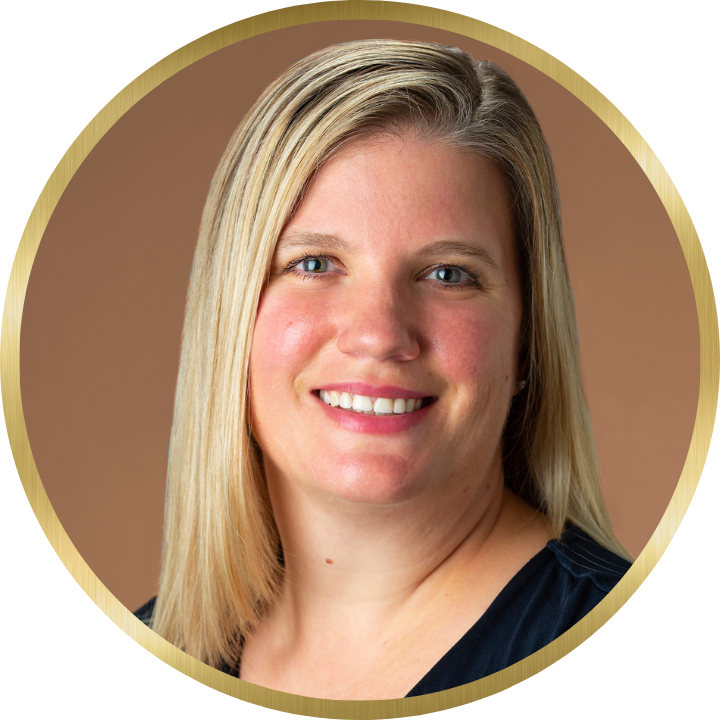
Distinguished Prof Susan Daniel
Cornell University
Read More
Susan Daniel is the Lisa L. Walker '86 Distinguished Professor of Chemical and Biomolecular Engineering and the William C. Hooey Director of the Robert Frederick Smith School of Chemical and Biomolecular Engineering at Cornell University.
Her research team strives to understand phenomena at biological interfaces and chemically patterned surfaces that interact with soft matter – liquids; polymers; and biological materials, like cells, viruses, proteins, and lipids. Her team pioneered “biomembrane chips” to conduct cell-free, biophysical studies of mammalian, bacteria, and plant cell membranes, and recently merged this technology with organic electronic devices for expanded sensing capabilities.
-
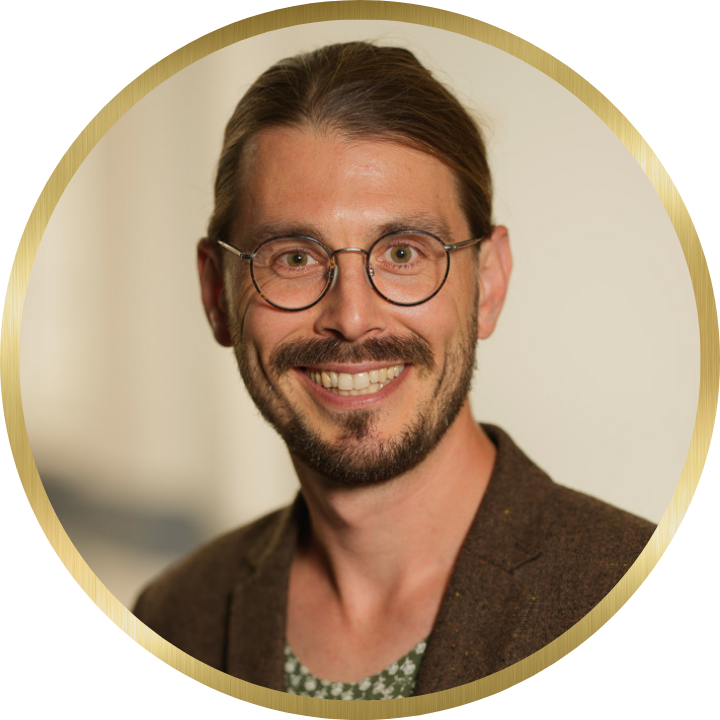
Associate Prof Alexander Hauser
University of Copenhagen
Read More
Alexander S. Hauser is Associate Professor of Pharmacoinformatics and Pharmacology at the Department of Drug Design and Pharmacology, University of Copenhagen. His research combines pharmacology, genomics, structural biology, and AI-driven data science to advance the understanding and therapeutic targeting of G protein-coupled receptors (GPCRs). Trained at the University of Copenhagen and the MRC Laboratory of Molecular Biology in Cambridge, he integrates computational and experimental approaches to uncover fundamental principles of receptor signaling and drug action. His work has contributed to the discovery of novel hormone signaling systems, mechanisms governing receptor coupling selectivity, and the influence of human genetic variation on drug response. His current research aims to accelerate precision medicine and next-generation peptide therapeutics through systems-level and machine learning–enabled approaches to translational drug discovery. He is a member of the Young Danish Academy and an EMBO Young Investigator.
-
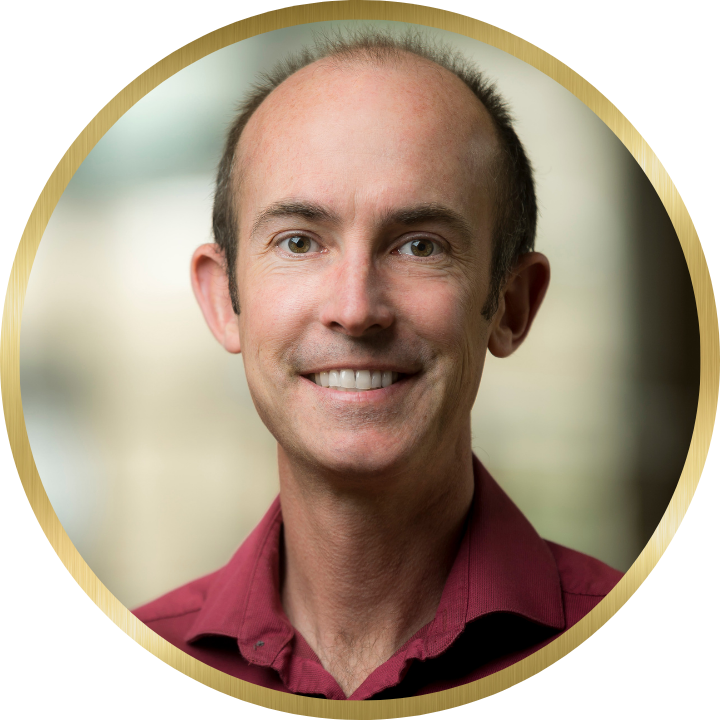
Professor Ryan Hibbs
University of California San Diego
Read More
Ryan Hibbs is Professor and Chair of Neurobiology and Professor of Pharmacology at the University of California San Diego. He earned a BA in Chemistry-Biochemistry from Whitman College, a PhD in Neuropharmacology from UC San Diego, and completed postdoctoral training in structural biology at the Vollum Institute at Oregon Health & Science University. Prior to joining UCSD in 2023, he served on the faculty at UT Southwestern Medical Center for a decade.
Hibbs studies the structure and function of neurotransmitter receptors that mediate fast synaptic signaling in the nervous system. His laboratory combines cryo-electron microscopy, biochemistry, electrophysiology, and pharmacology to understand how these receptors operate in health and disease and how they are modulated by drugs and autoimmune antibodies. His work has provided foundational structural insights into nicotinic acetylcholine and GABAA receptors, with implications for neurological and neuromuscular disorders. The laboratory also studies the evolution of neurotransmitter receptor families, including specialized sensory receptors that enable chemotactile signaling in cephalopods such as octopus and squid.
-
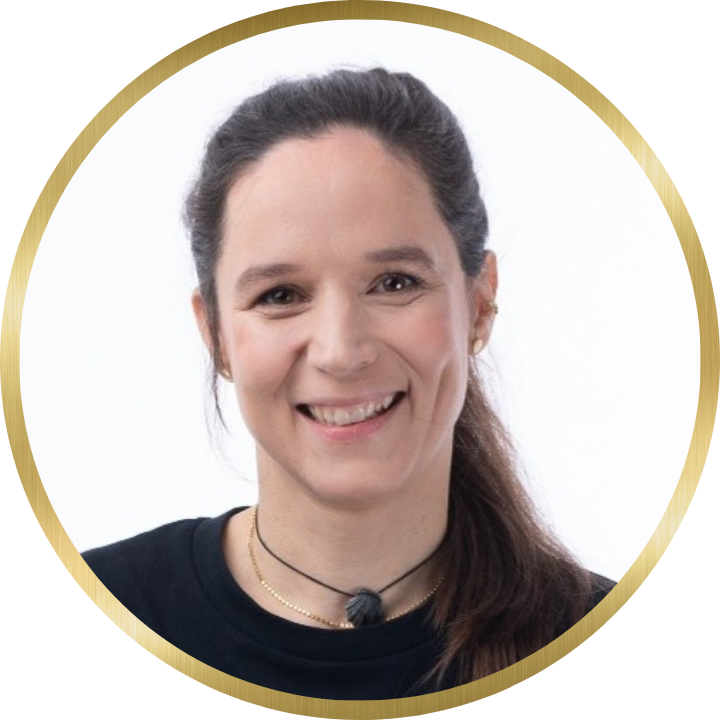
Dr Klára Hlouchová
Charles University
Read More
Klara studied chemistry at Charles University in Prague and was trained as a biochemist at IOCB (PhD in 2009). Her postdoctoral research in evolution of metabolic pathways with Prof. Shelley Copley at University of Colorado Boulder (2011-2013) sparked her curiosity in life’s early origins and the divide between non-viable and viable, converging with a long-standing interest in astrobiology. She started her independent research at Charles University (Department of Biochemistry and later Department of Cell Biology) in 2016. Her group of Synthetic Biology explores fundamental questions about the origin and evolution of proteins, be it in the era of prebiotic Earth, extant biological or synthetic life. They also have several projects focusing on what it takes for cells to emerge, with the aid of proteins and other key life’s molecules all playing along.
-

Assistant Prof Jerelle Joseph
Princeton University
Read More
Jerelle Joseph is an Assistant Professor in the Department of Chemical and Biological Engineering and the Omenn-Darling Bioengineering Institute at Princeton University. Her research focuses on understanding and engineering biomolecular condensates for biomedical and sustainability applications through the development of computer simulation approaches. Prior to joining Princeton, she completed postdoctoral research in the Department of Physics at the University of Cambridge and held a Junior Research Fellowship in Physical and Chemical Sciences at King's College in Cambridge. Jerelle obtained a PhD in Chemistry from the University of Cambridge and an MPhil in Chemistry from the University of the West Indies, Barbados.
-
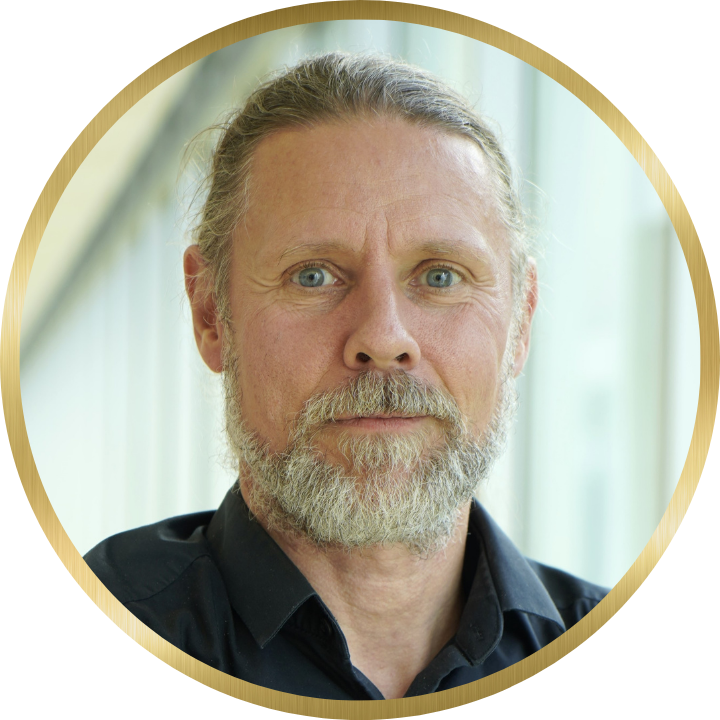
Professor Lars Jeuken
University of Leiden
Read More
After studying Biology, Lars Jeuken completed his PhD in bioinorganic chemistry at Leiden University, where he investigated the structure–function relationship of the blue copper protein azurin. He moved to the University of Oxford as a postdoctoral researcher, focusing on the development of bioelectrochemistry for studying metalloproteins.
Lars was awarded a BBSRC David Phillips Fellowship in 2002, followed by an ERC Consolidator Grant in 2011. These fellowships supported his move to the University of Leeds, where he expanded his research to membrane-bound metalloproteins and their application in semi-artificial photosynthesis. In 2017, he was appointed Full Professor, and in 2021 he returned to Leiden University, where he continues his research into bacterial bioenergetics and compartmentalised (photo)biocatalysis.
-
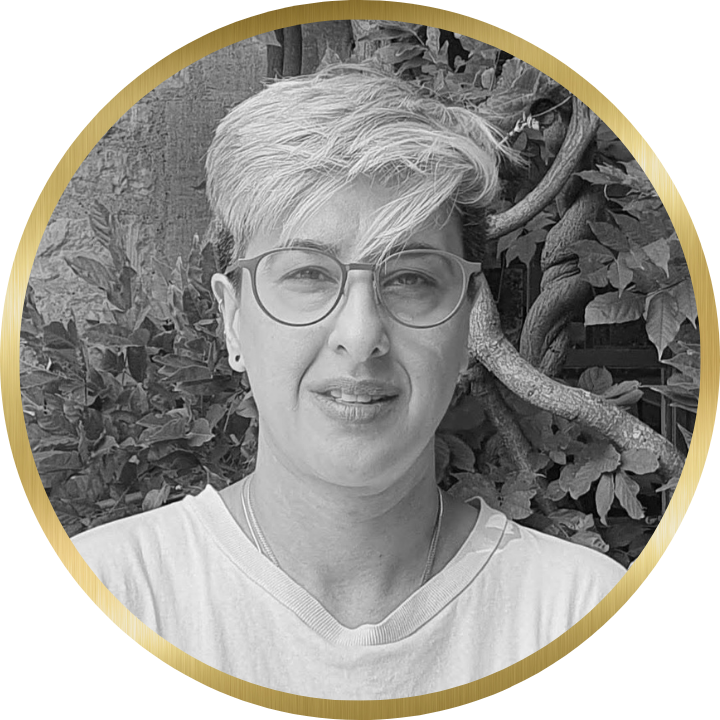
Professor Syma Khalid
Oxford University
Read More
Syma read Chemistry at the University of Warwick in 2000. She remained at Warwick to read for a PhD under the supervision of Prof. P. Mark Rodger. After obtaining her PhD in 2003, she moved to the University of Oxford as a postdoc in Prof Mark Sansom’s lab. In 2007, she was appointed as RCUK fellow in chemical biology at the University of Southampton. In 2010, she was appointed to a lectureship at Southampton and promoted to full Professor in 2016. In 2021 she was appointed as Professor of Computational Microbiology at the Department of Biochemistry, University of Oxford and Tutorial Fellow at St Anne’s College. Syma is the chair of HECBioSim.
-
Professor Roop Mallik
Indian Institute of Technology Bombay
Read More
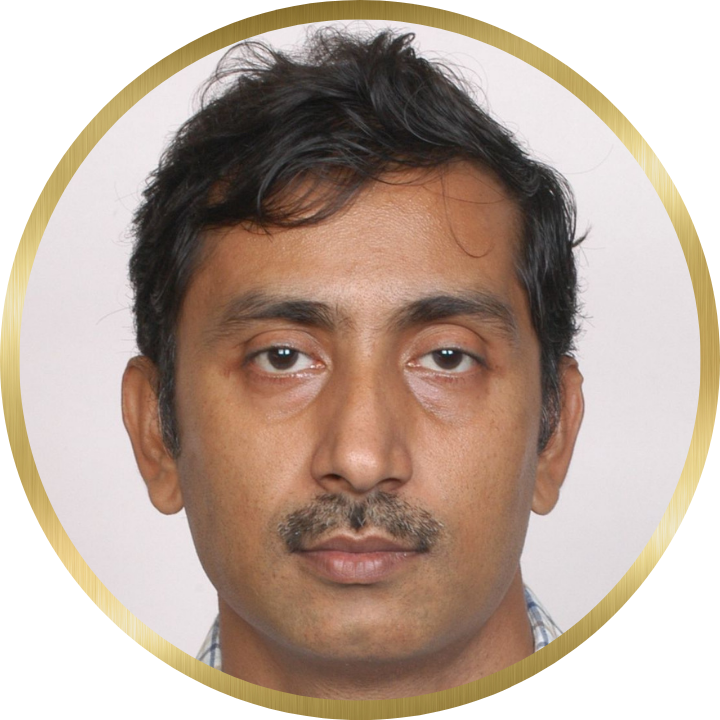
Roop Mallik completed a PhD in Condensed matter Physics before moving to Biology via a brief postdoctoral stint in Chemistry. He then worked at the University of California Irvine as a Long term Postdoctoral fellow of the Human Frontier Sciences Program. He returned to India to start his own group 2006. He is currently a Professor at the Indian Institute of Technology Bombay. Mallik's research is extremely interdisciplinary, using an amalgamation of Physics, Biology and Computation. The effort has been to understand how sub-cellular vesicles are transported to specific locations inside cells in response to metabolic and immune signals, and how protein-lipid interactions on the vesicles engineer these responses.
-
Dr Dimple Notani
Tata Institute of Fundamental Research
Read More
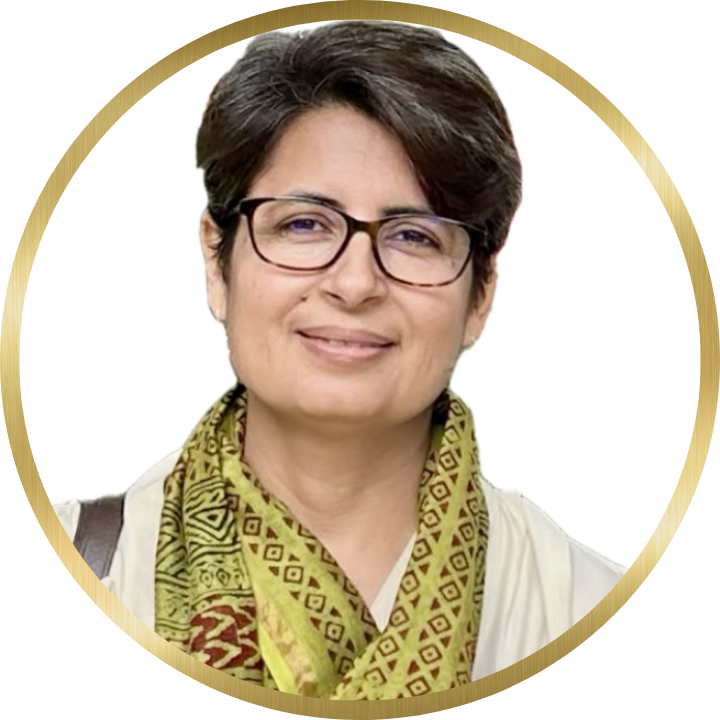
Dimple Notani is an Associate Professor at the National Centre for Biological Sciences (NCBS) in Bangalore, India. She obtained her PhD in India and went on to pursue postdoctoral training at the University of California, San Diego, where she worked with Michael Geoff Rosenfeld studying long-range gene regulation by steroid hormone receptors.
Dimple joined NCBS as faculty in 2016, where her laboratory investigates the dynamic interplay between chromatin organization, distal regulatory elements, and non-coding RNAs in gene regulation. Her group employs a combination of genome-wide and locus-based approaches to study developmental and steroid hormone signaling enhancers, contrasting the two to understand how signaling enhancers achieve rapid transcriptional responses while maintaining regulatory fidelity.
-
Professor Michael Parker
Bio21 Molecular Science and Biotechnology Institute
Read More
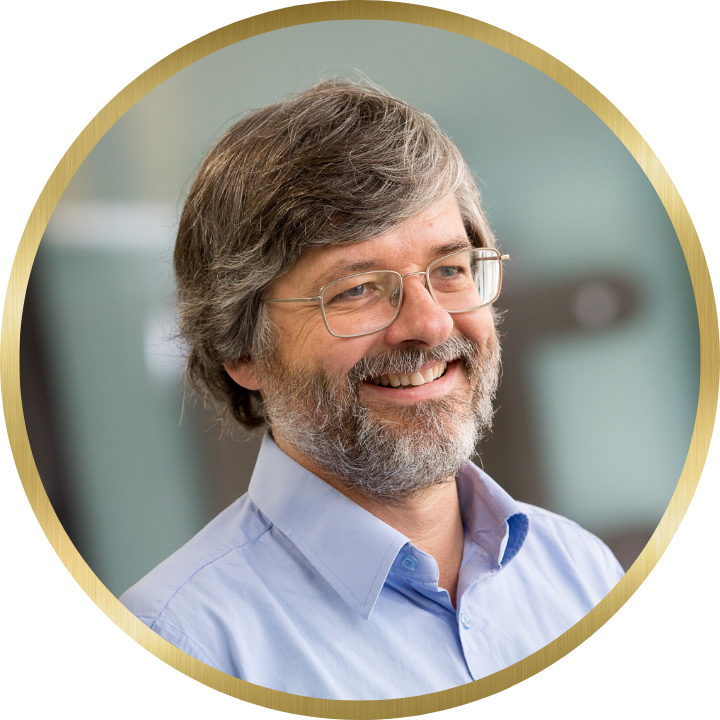
Professor Michael Parker is Director of the Bio21 Molecular Science and Biotechnology Institute, University of Melbourne and Head of Structural Biology, St. Vincent’s Institute of Medical Research. He also holds a research position in the Department of Biochemistry and Pharmacology, Faculty of Medicine, Dentistry and Health Sciences. Michael completed a Bachelor of Science degree with a major in chemistry at ANU followed by a D. Phil. in protein crystallography from Oxford University. This was followed by a position as staff scientist at the European Molecular Biology Laboratory in Heidelberg, Germany. He returned to Australia in 1991. The work of the laboratory has involved the determination of more than 200 crystal structures of proteins involved in cancer, Alzheimer’s disease and infection. He has published over 360 research papers and his work has been recognised with numerous awards including the 2011 Ramaciotti Medal for Excellence in Biomedical Research, and the 2012 Federation of Asian and Oceanian Biochemists and Molecular Biologists Award for Research Excellence. He was elected a Fellow of the Australian Academy of Science in 2010 and a Fellow of the Australian Academy of Health and Medical Sciences in 2015.
-
Distinguished Prof Carol Post
Purdue University
Read More
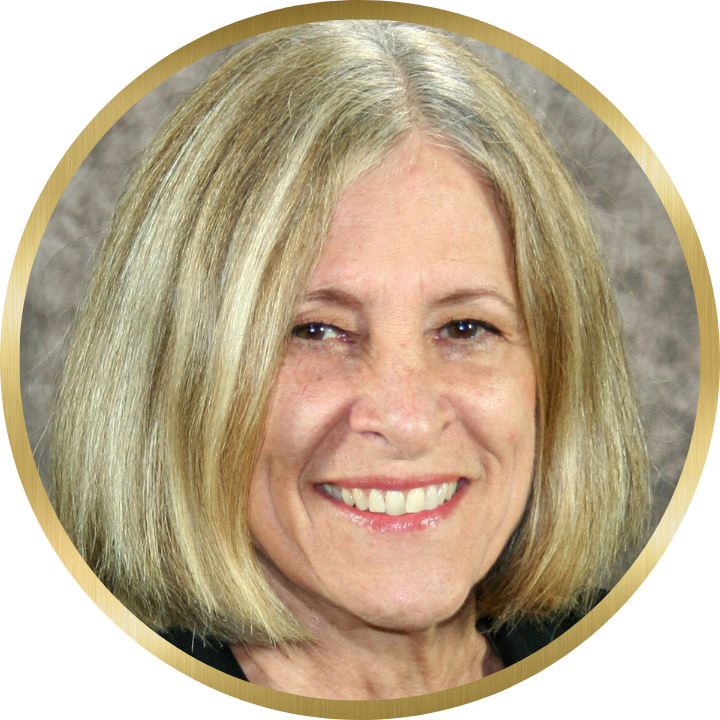
Research interests of Carol B. Post (Distinguished Professor at Purdue University USA) relate to understanding molecular mechanisms of protein function, with a current focus on tyrosine kinases. Her research group integrates molecular dynamics (MD) simulations with solution-state NMR spectroscopy to study protein dynamics, conformational equilibrium and molecular recognition of protein complexes. Using solution-state NMR to obtain information about macroscopic conformational effects of phosphorylation, coupled with molecular dynamics simulations to outline atomistic-level, physical details, she discovered a mechanism for regulation of protein-protein interactions by phosphorylation that so far has the unique thermodynamic signature of being entropy driven. In another line of research, as part of the CHARMM developers’ group, she is actively developing a path optimization algorithm implemented with MD simulations to study protein conformational transitions. This ABPO approach is based on free sampling within a region of a path defined in a reduced-variable space in contrast to other methods that utilize path-restrained sampling. Her group has also advanced an NMR tool available of GitHub, NmrLineGuru, for quantitative analysis of binding equilibrium and kinetics using NMR line shapes. She served four years as President of the Protein Society and is an Associate Editor of Protein Science.
-
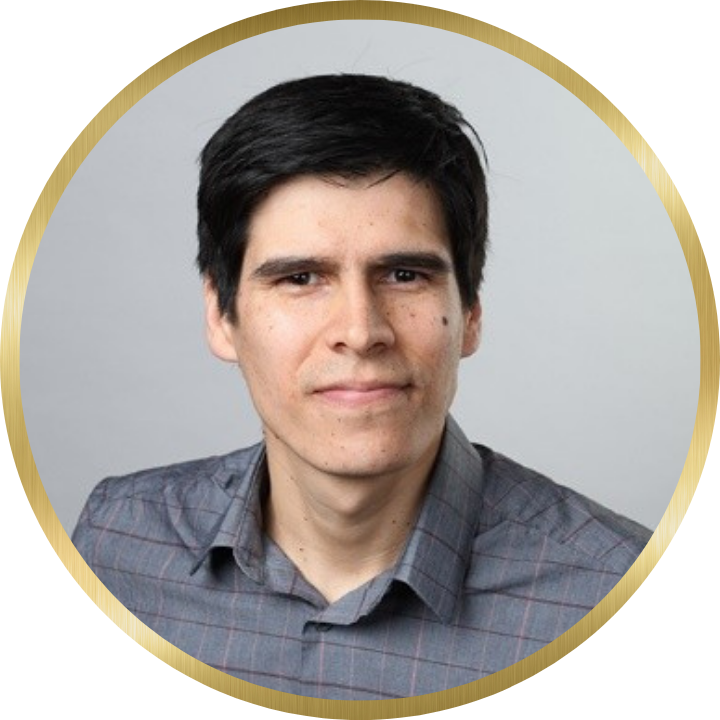
Assistant Prof Felipe Quiroz
Emory University & Georgia Institute of Technology
Read More
Felipe G. Quiroz is an Assistant Professor in the top-ranked Wallace H. Coulter Department of Biomedical Engineering of Emory University and Georgia Institute of Technology. He received a PhD in Biomedical Engineering from Duke University for his work with Prof. Ashutosh Chilkoti, where he uncovered sequence heuristics to engineer the liquid-liquid phase separation behavior (LLPS) of intrinsically disordered proteins. As a postdoctoral fellow with Prof. Elaine Fuchs at Rockefeller University, he pioneered the study of intracellular LLPS in mammalian skin. Building on this path, through a combination of genetic, protein and cellular engineering approaches, his team at Emory and Georgia Tech mines the self-assembly and intracellular LLPS of intrinsically disordered proteins across engineered and biological systems. Felipe is a recipient of the NIH Director’s New Innovator Award and holds a Career Award at the Scientific Interface from Burroughs Wellcome Fund.
-
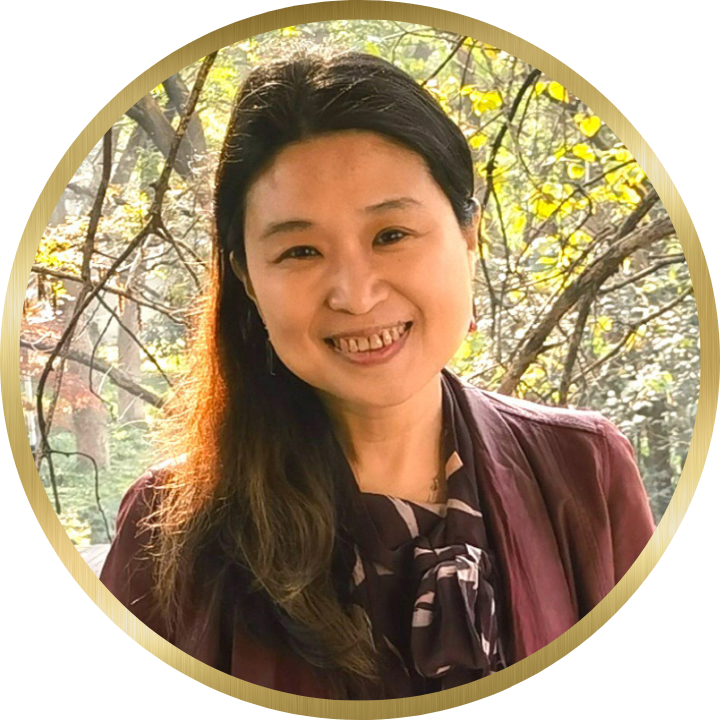
Distinguished Prof Jessie Zhang
University of Texas
Read More
Dr. Y. Jessie Zhang is the L. Leon Campbell Distinguished Professor of Biochemistry in the Department of Molecular Biosciences at The University of Texas at Austin. She received her B.S. in Chemistry from Tsinghua University, her M.S. from University of Oregon with Brian Matthews, and her Ph.D. from The Scripps Research Institute with Ian Wilson, followed by postdoctoral training at Salk Institute for Biological Studies. Her laboratory combines structural biology, chemical biology, and enzymology to investigate RNA polymerase II CTD phosphorylation and transcriptional regulation. Her group has pioneered approaches to uncover combinatorial and masked CTD phosphorylation patterns that govern transcription dynamics and elongation. Her work has been published in multiple Nature portfolio journals, as well as PNAS, JACS, Angewandte Chemie, Science Advances, and ACS Catalysis.. She is a Fellow of the and recipient of the Margaret C. Etter Early Career Award from the American Crystallographic Association.

PROGRAM

SUBMISSIONS

REGISTRATION